
The Psychology Behind High-Stakes Gambling
The allure of high-stakes gambling can often be traced back to the complex psychology that drives individuals to partake in such activities. The thrill of risking substantial sums of money creates an adrenaline rush, appealing to the human desire for excitement and the potential for enormous rewards. Many players, seeking the ultimate experience, find themselves gravitating towards options like fast withdrawal casino ontario which promise quick transactions and heightened engagement. This excitement can often cloud rational judgment, leading gamblers to take risks they may not consider in their everyday lives. The psychological effects of winning, such as feelings of euphoria or empowerment, further contribute to the magnetism of high-stakes gambling.
Moreover, the social element of high-stakes environments plays a significant role in attracting individuals. The ambiance of luxury casinos, elite poker rooms, and exclusive gaming tables creates a sense of belonging and prestige among high-stakes players. Many gamblers are drawn to the idea of being part of an elite group where high financial stakes accompany social recognition. The interactions with fellow players and the thrill of competition can intensify the overall experience, making high-stakes gambling more than just a financial endeavor.
In addition to social recognition, many high-stakes gamblers often have underlying motivations related to wealth and status. The idea that one can attain financial freedom or surpass their current lifestyle through a single bet is a powerful incentive. This belief in the possibility of a life-changing win fuels a desire to engage in high-stakes gambling, regardless of the attendant risks. As a result, many players overlook the odds against them, driven instead by the dream of hitting the jackpot and transforming their lives.
The Risks Involved in High-Stakes Gambling
While the allure of high-stakes gambling is evident, it is essential to acknowledge the significant risks that accompany such pursuits. The potential for substantial financial loss cannot be overstated; many gamblers find themselves in perilous situations where debts accumulate rapidly. This financial strain can lead to severe consequences, including bankruptcy, relationship breakdowns, and mental health issues, ultimately overshadowing any potential winnings. Understanding these risks is crucial for anyone considering participating in high-stakes gambling.
Moreover, addiction can be a serious consequence of engaging in high-stakes gambling. The thrill of winning, combined with the desire to recover losses, can lead to a vicious cycle where individuals gamble excessively. Professional treatment and support groups are often necessary for individuals who find themselves ensnared in gambling addiction, highlighting the importance of awareness and caution. High-stakes gambling does not merely involve financial risks but can lead to detrimental impacts on personal wellbeing and lifestyle.

In addition to mental health and financial risks, the legal implications of high-stakes gambling deserve attention. Many jurisdictions have strict laws governing gambling activities, especially those involving large sums of money. Players may find themselves inadvertently breaking regulations, leading to criminal charges and fines. Therefore, it is essential for individuals to be aware of the legal framework surrounding high-stakes gambling to avoid unwanted legal consequences while partaking in this risky activity.
The Economic Impact of High-Stakes Gambling
High-stakes gambling is not just a personal endeavor; it plays a significant role in the economy, particularly in regions where casinos and gambling establishments are prominent. The influx of high-stakes players can lead to increased revenue for local businesses, creating jobs and stimulating economic growth. This aspect of high-stakes gambling provides an interesting contrast to the personal risks involved, demonstrating how individual choices can have broader economic consequences.
Moreover, many governments rely on the taxation of gambling revenues as a source of funding for public services and infrastructure. High-stakes gambling, by virtue of its substantial financial transactions, generates significant tax income that can be redirected towards essential public goods. This interplay between individual gambling activities and public fiscal health creates a complex relationship that merits further exploration. It raises questions about the ethics of profiting from gambling while also considering the social and economic costs associated with addiction and financial distress.
Additionally, high-stakes gambling often attracts tourists, boosting local economies. Cities renowned for their gambling markets, like Las Vegas and Macau, thrive on high-stakes tourism, where individuals from around the world flock to experience the excitement and glamour. This influx can lead to revitalization efforts, helping to maintain or improve the local infrastructure to accommodate an increasing number of visitors. The economic impact of high-stakes gambling extends beyond immediate revenue, affecting urban development and shaping city identities around gambling culture.
The Cultural Fascination with High-Stakes Gambling
The cultural fascination with high-stakes gambling is evident in various forms of media, including films, literature, and television. Many narratives glamorize the high-roller lifestyle, showcasing the thrill of big wins and the dramatic tension of the game. This portrayal contributes to society’s perception of gambling as not just a risky financial venture, but also an exciting and alluring event that captures the imagination. Such representations can influence public attitudes and behaviors toward gambling, making it a more normalized pursuit in various cultures.
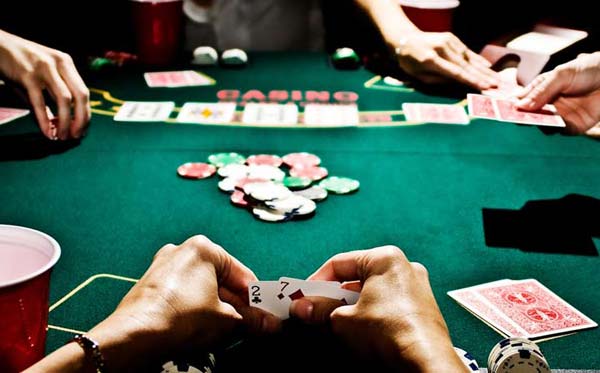
Furthermore, high-stakes gambling often serves as a metaphor for risk-taking and the pursuit of success. Many individuals view gamblers as bold figures who are willing to gamble their fortunes for the chance at extraordinary rewards. This cultural narrative can translate into real-life behaviors, encouraging risk-taking in various spheres beyond gambling, such as business and investment. The idea that immense rewards come with equally immense risks resonates across diverse cultural contexts, reinforcing the allure of high-stakes gambling.
Additionally, traditions around gambling vary widely from region to region, emphasizing its cultural significance. Rituals, games, and regional betting practices reflect a society’s values and history, providing insight into how gambling intertwines with cultural identity. High-stakes gambling encapsulates the tension between fortune and fate, often leading to philosophical discussions about luck and destiny. This cultural depth adds another layer to the allure of high-stakes gambling, making it an intriguing subject worth exploring further.
The Future of High-Stakes Gambling
As technology continues to reshape the world, the future of high-stakes gambling is also evolving. Online platforms are becoming increasingly popular, offering a new arena where high-stakes gamblers can engage from the comfort of their homes. This shift expands accessibility, allowing a broader range of participants to enter the high-stakes gambling sphere. However, it also raises concerns about gambling addiction and financial irresponsibility, necessitating the importance of robust regulations and safety measures to protect players.
Furthermore, the rise of virtual reality and immersive gaming experiences is likely to revolutionize high-stakes gambling, creating a more engaging and realistic environment for players. Such advancements could enhance the thrill of the game, drawing in new participants who may be intrigued by the lifelike casino experience. As these technologies develop, they will undoubtedly impact player behavior, as well as the strategies employed by casinos in attracting and retaining high-stakes gamblers.
In conclusion, the future of high-stakes gambling holds both exciting possibilities and critical challenges. The increasing intersection of technology and gambling will require ongoing adaptation by players and regulatory bodies alike. As the landscape continues to change, it is essential for individuals to approach high-stakes gambling with caution and awareness, recognizing the multifaceted nature of this activity within modern society. Engaging responsibly in this thrilling realm can ensure that it remains a source of entertainment and excitement rather than a pathway to despair.